Regrow Your Confidence with Expert Hair Transplants.

Years Of Experience
0
Hair Transplant
0 K+
Google Rating
0 +

Common Concerns

DOES THIS SOUND LIKE YOU?

My hairline keeps going back every year

Hairline recession is usually progressive. If the root cause isn’t identified early, hair loss continues despite temporary solutions. Many people delay proper diagnosis and lose valuable donor hair over time.

Not every treatment works for every stage of hair loss. Medicines and PRP can slow hair fall, but they cannot restore areas where follicles are already lost. Proper scalp evaluation is necessary before choosing any treatment.

Unnatural hairlines usually result from poor planning and aggressive graft placement. A natural outcome depends on conservative hairline design, correct angle, and proper density — not just the number of grafts.

Hair loss is often treated as a one-size-fits-all problem. Different clinics suggest different solutions without explaining why. At MK REGROW, recommendations are based on scalp condition, age, and long-term hair loss pattern.

Our Services

Hair transplant & Hair Restoration

We offer advanced surgical and non-surgical hair restoration treatments designed around your individual scalp condition, hair density, and long-term hair loss pattern. Every treatment plan is carefully personalized after a detailed evaluation, ensuring that the approach aligns with your expectations, lifestyle, and future hair goals.

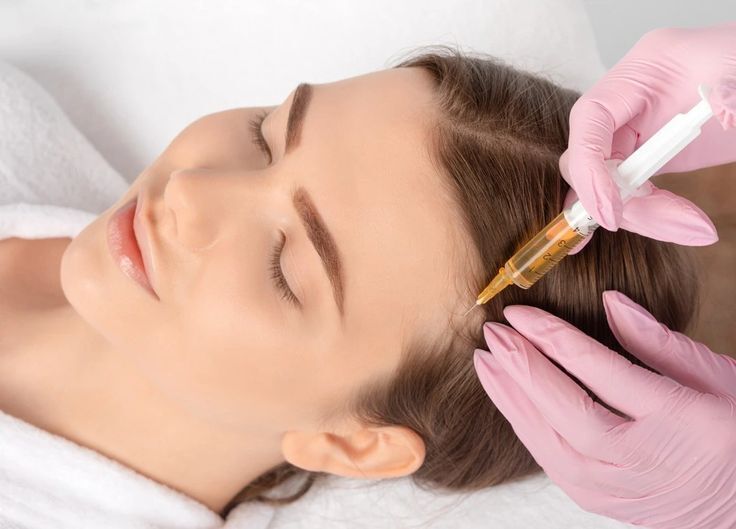
PRP Therapy

Non-surgical treatment that stimulates weak follicles and helps reduce hair fall while improving hair thickness.

Strip Harvesting

A surgical technique suitable for patients needing a higher number of grafts in a single session.

Pattern Baldness

Targeted solutions for male and female pattern hair loss based on long-term progression.

Advanced Treatment

Modern techniques designed for natural hairline planning and long-lasting results.

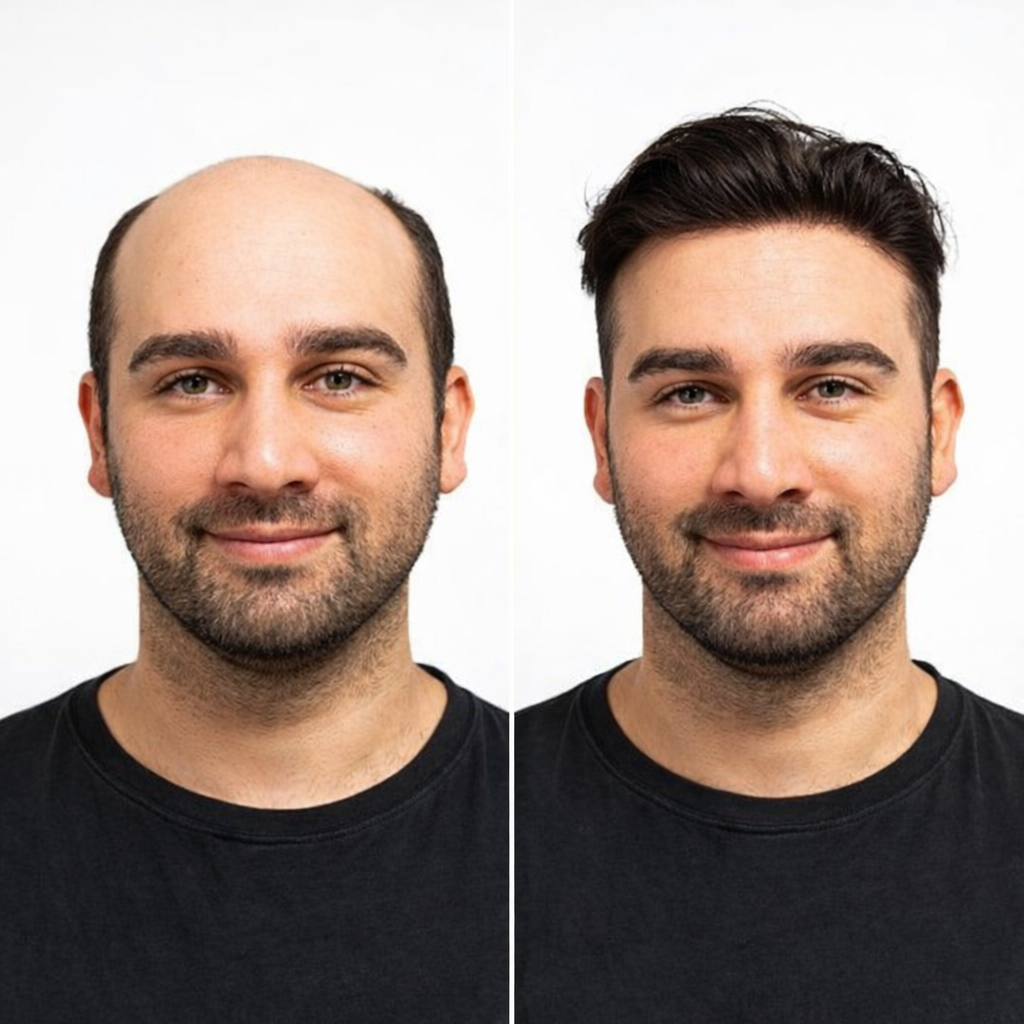
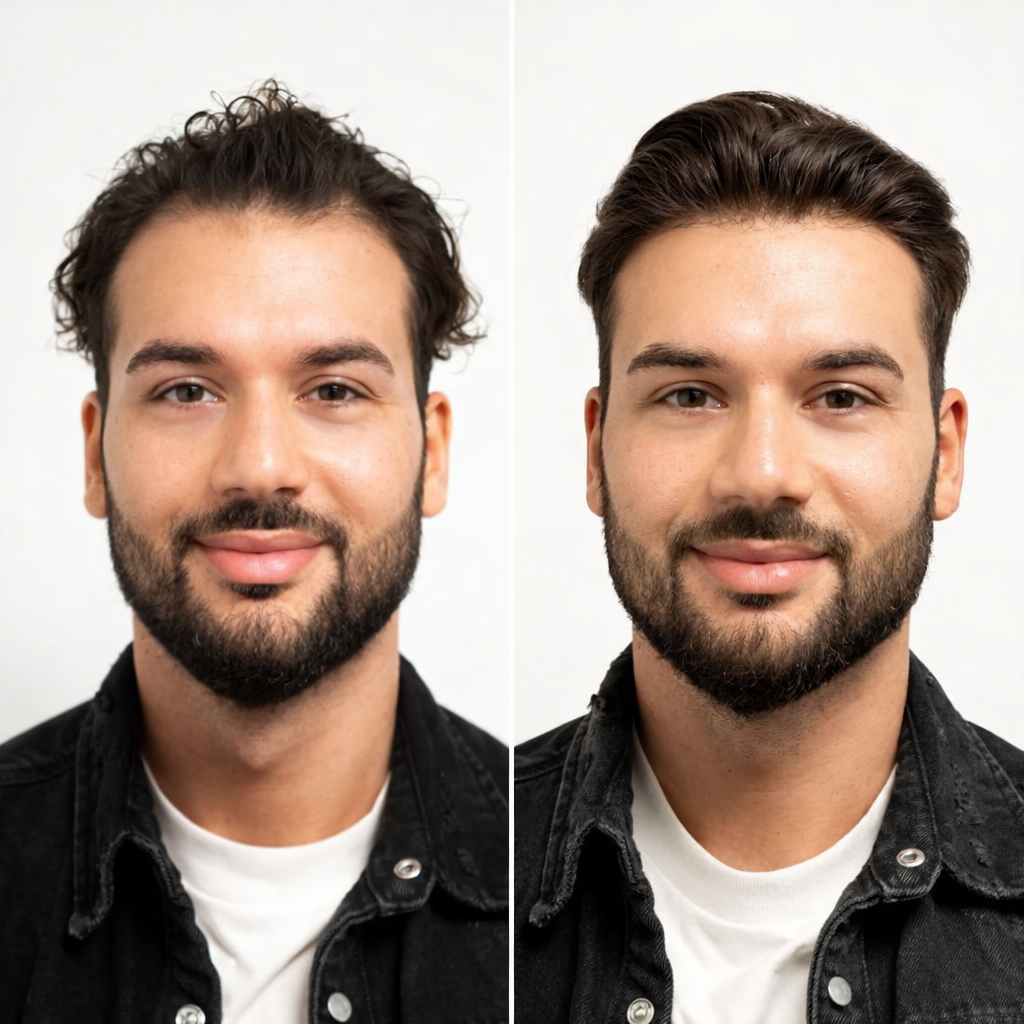
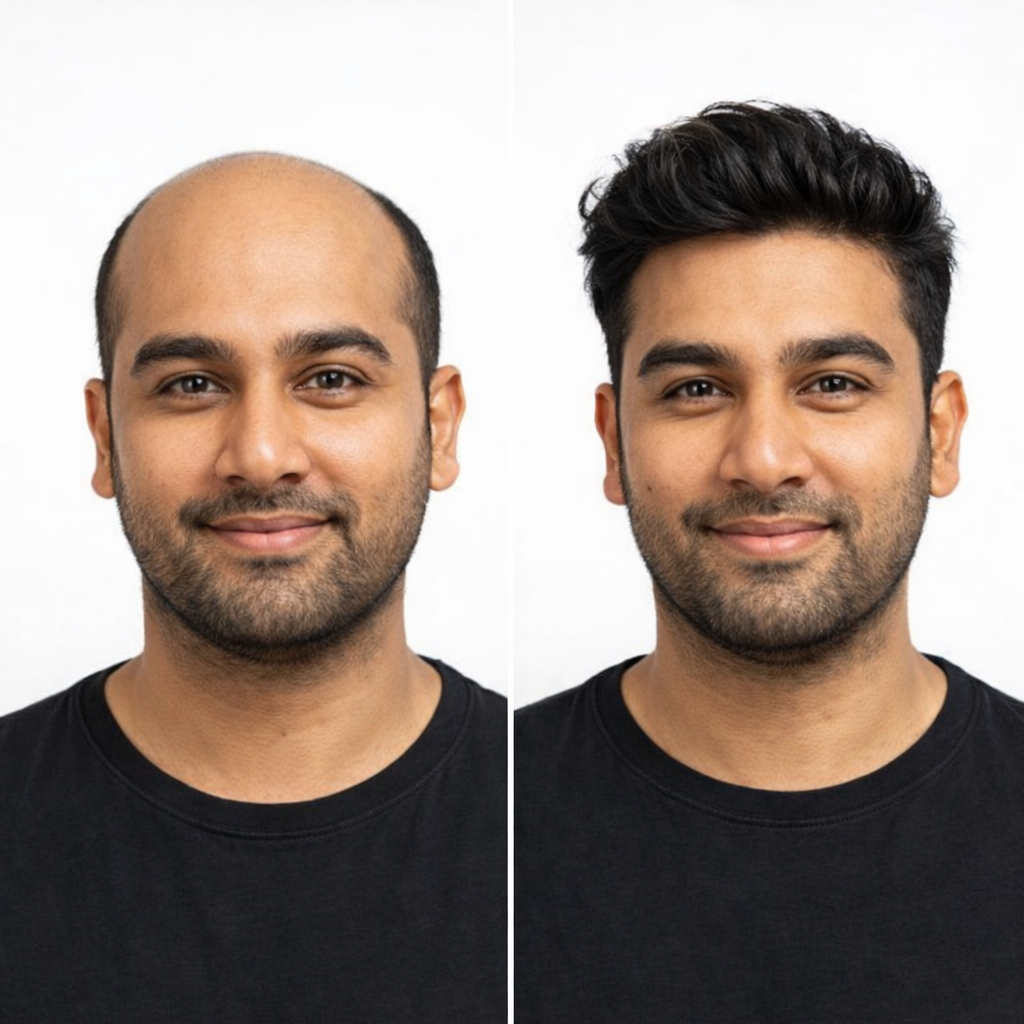
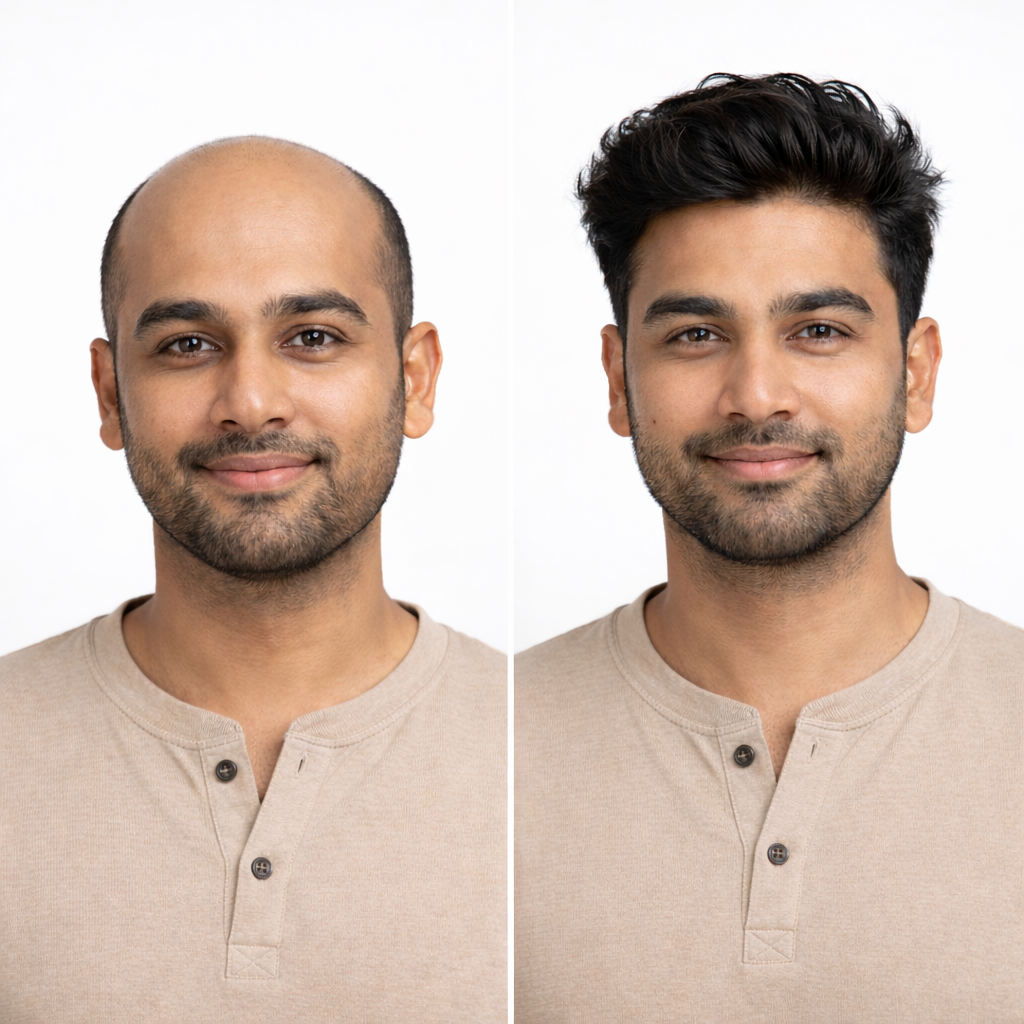
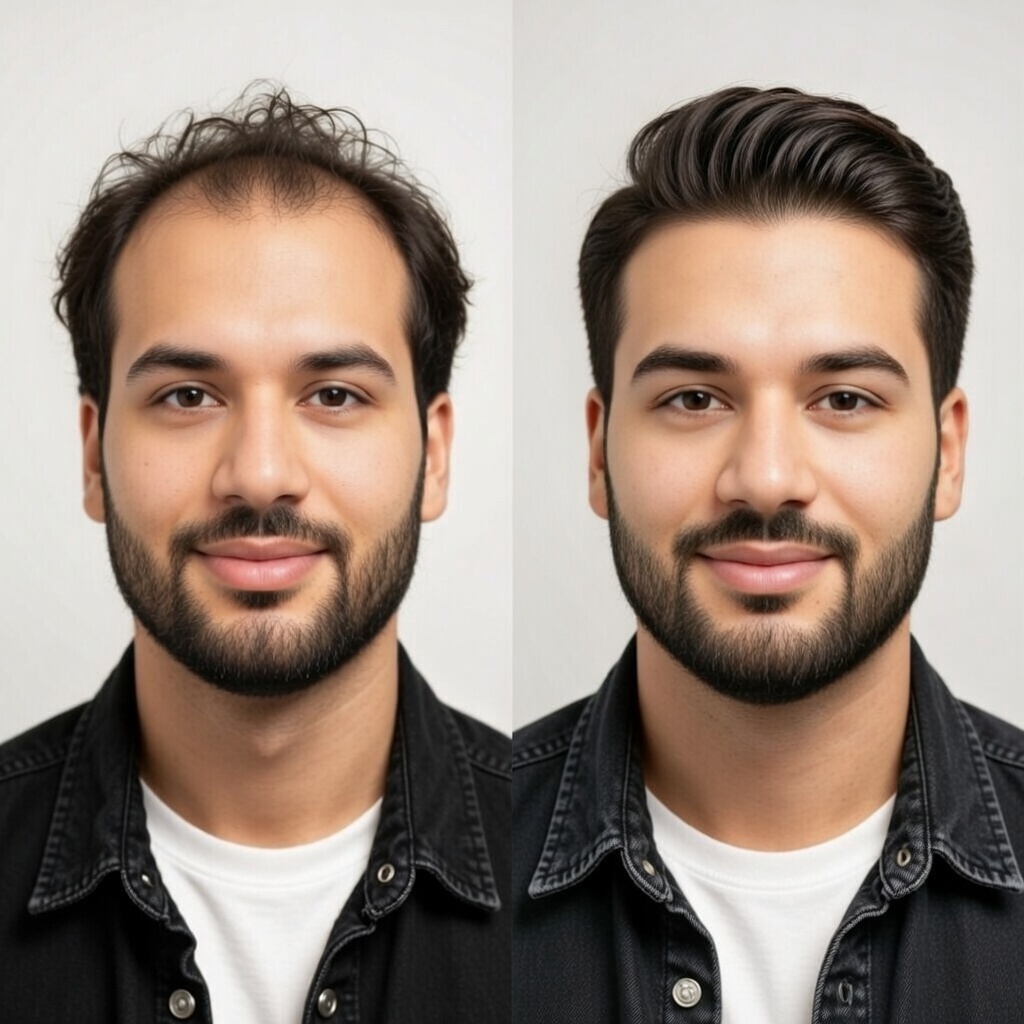
Before & After Results

Real People. Real Hair Journeys.

Every result you see here is backed by a clear plan, proper graft calculation, and patience.

Your Hair Restoration Journey

Every treatment begins with clarity. Here’s how we guide you from consultation to visible results.

01

Detailed Consultation

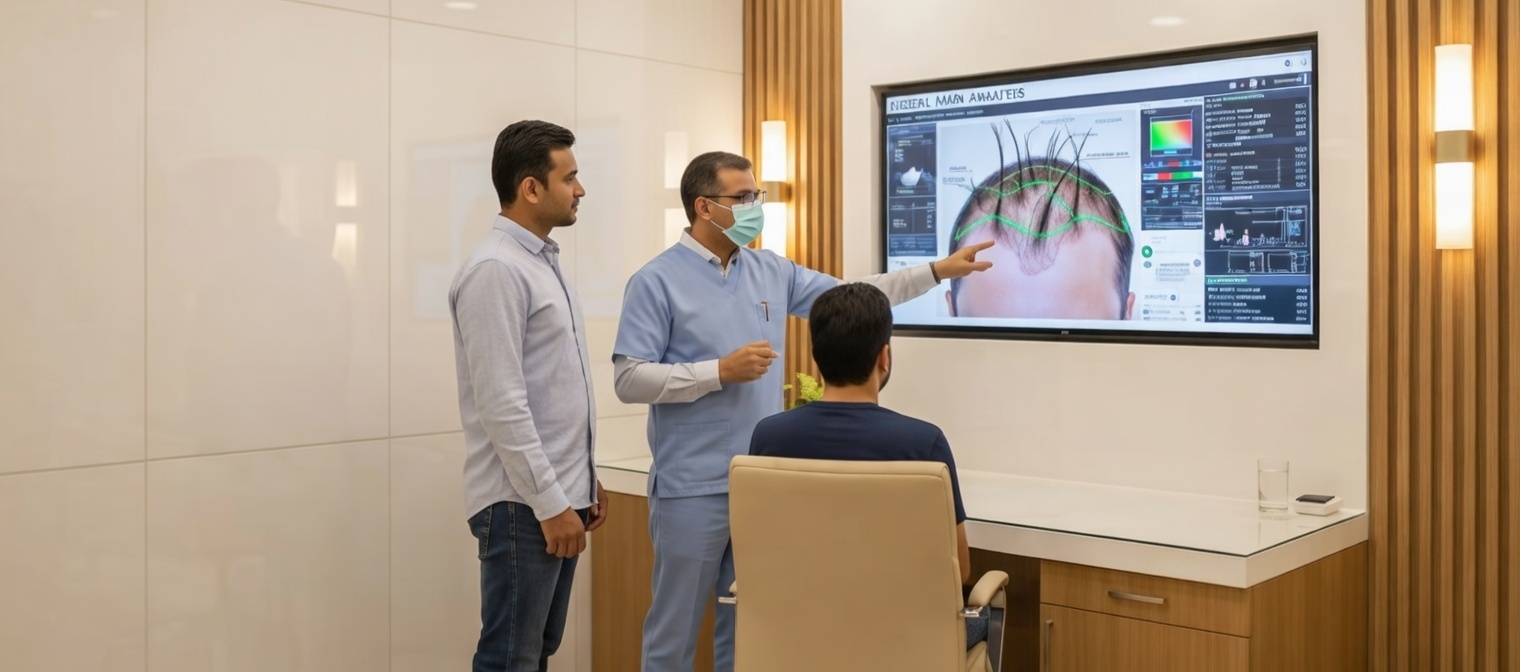
We begin with a one-to-one consultation to understand your hair concerns, expectations, and medical history.

02

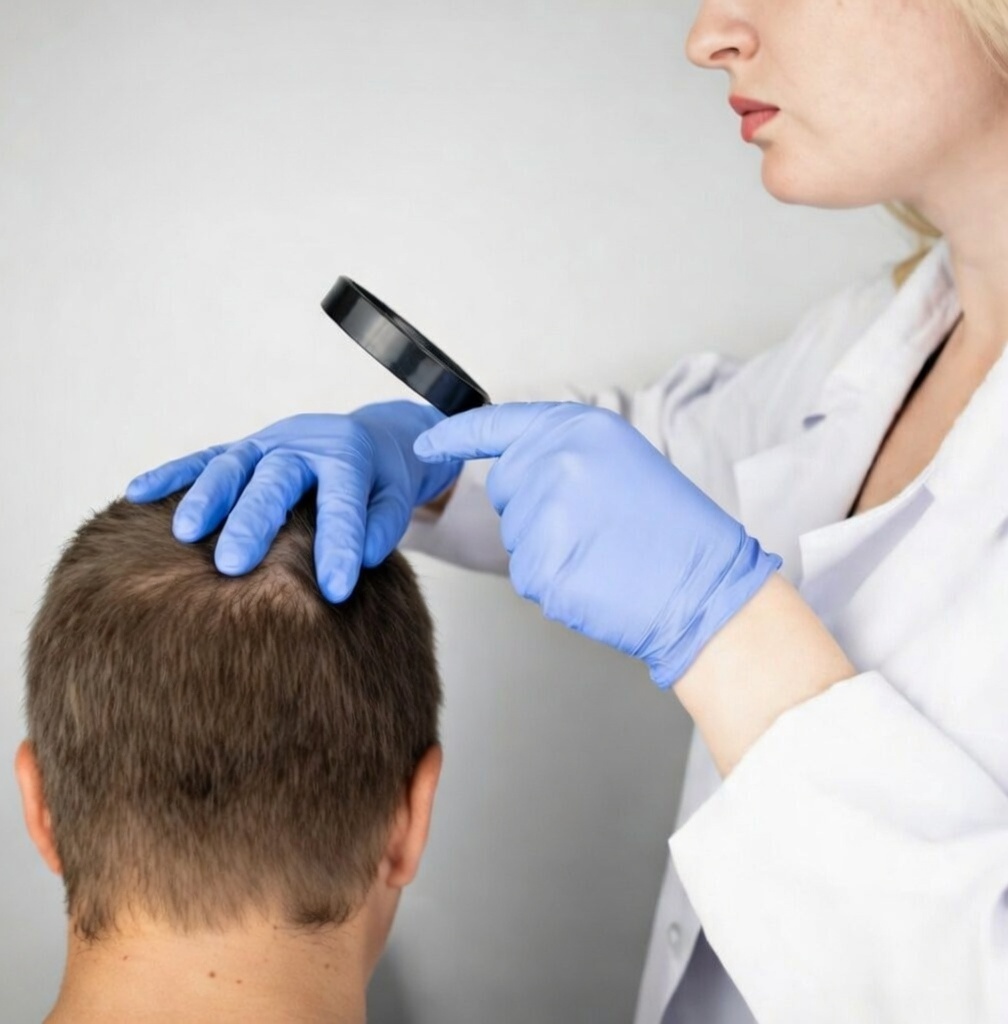
Scalp & Donor Evaluation

Our team assesses scalp health, donor strength, and hair loss pattern to plan the right approach.

03

Personalized Treatment Plan

Based on evaluation, we recommend the most suitable solution — PRP, medication, or transplant.

04

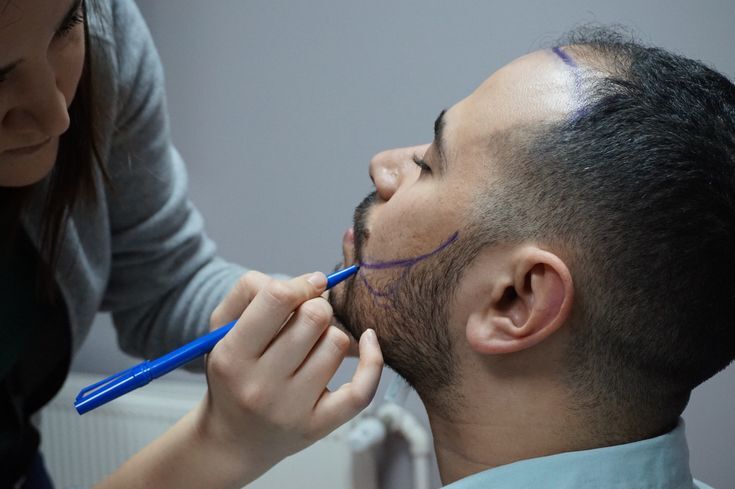
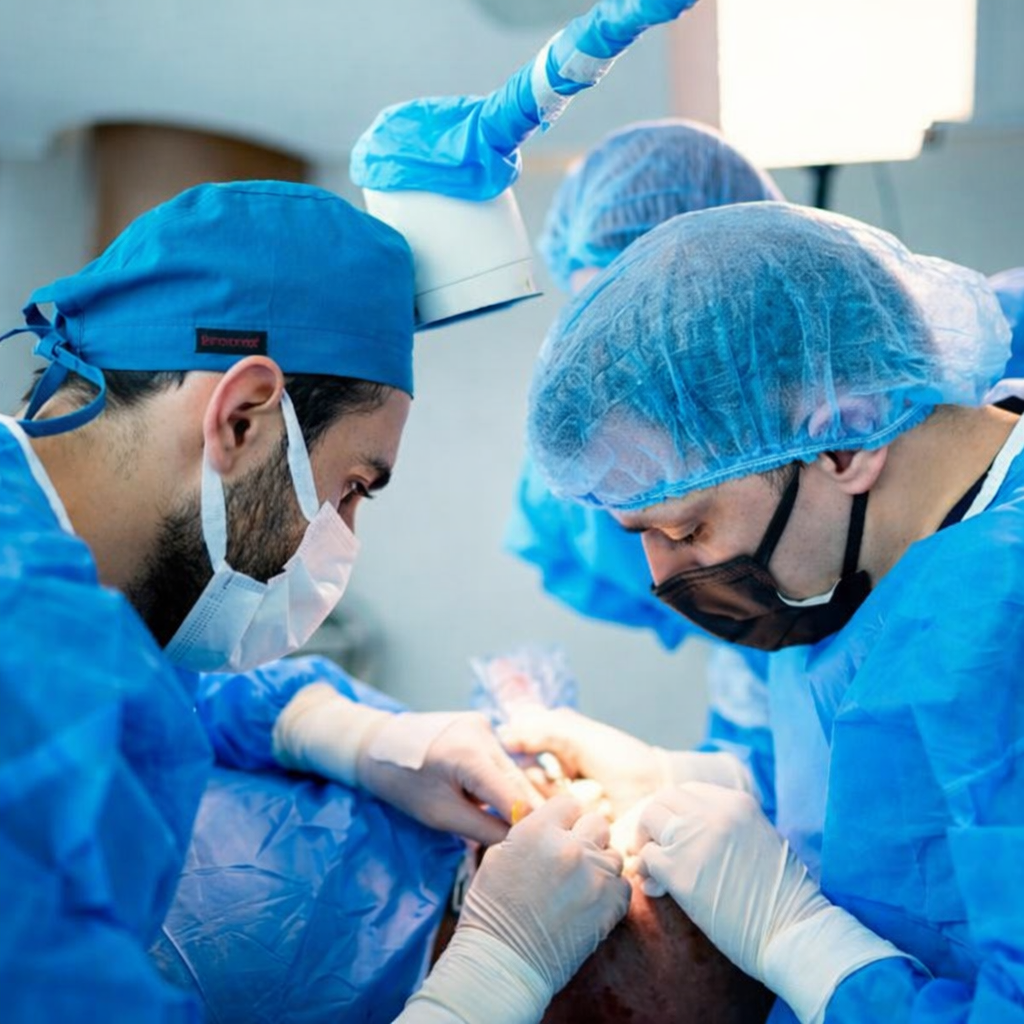
Procedure with Precision

If a procedure is required, it is performed under strict medical protocols with focus on natural results.

05

Recovery & Follow-Up

We monitor your progress, guide post-treatment care, and ensure healthy hair growth over time.

Testimonials

What Our Clients Says

FAQS

Questions Most People Think — But Don’t Ask

Am I too young for a hair transplant?

Hair transplant is usually recommended after hair loss pattern becomes stable.
If you are very young (early 20s), your hair loss may still be progressing. In such cases, we may suggest medication or PRP first and monitor your pattern before planning a transplant. Timing matters more than age alone.

A hair transplant restores the transplanted area permanently. However, your existing natural hair can continue to thin over time.
That’s why we plan conservatively and may recommend supportive treatments (like medication or PRP) to maintain surrounding hair.

Natural results depend on proper hairline design, correct angle placement, and realistic density.
At MK REGROW, we focus on conservative hairline planning that matches your age and facial structure — so the result looks natural even years later.

Is PRP useful or just supportive?

PRP is not a replacement for transplant in advanced baldness.
However, it can slow hair fall, improve thickness, and strengthen existing follicles. It works best in early to moderate stages of hair thinning.

The number of grafts depends on the size of the bald area, donor strength, and desired density.
We calculate graft requirements carefully to ensure balanced coverage without overharvesting the donor area.

The procedure is performed under local anesthesia, so discomfort is minimal.
Most patients resume light activities within 2–3 days. Mild redness or swelling may occur temporarily and usually settles quickly.

Scroll to Top